Skellefteå · Practical guide
Skellefteå for visiting professionals
Everything a project team needs to know before landing — travel, seasons, daily life and where the worksites actually are.
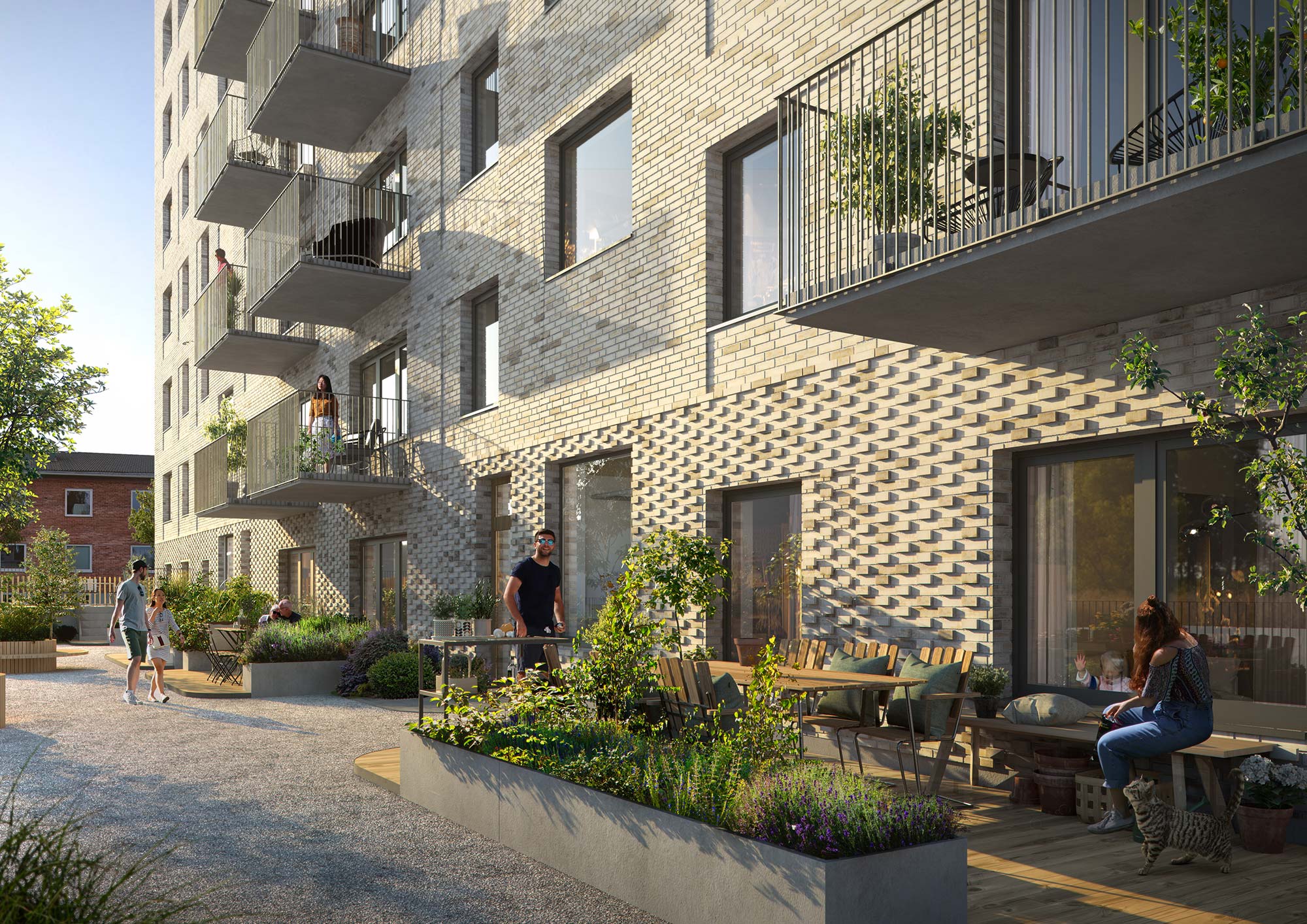
Skellefteå is a compact city in northern Sweden, reached by air from Stockholm in about an hour or by the E4 along the coast. The centre is walkable, so most visiting professionals manage without a car unless their worksite sits outside town. Summers are bright and mild, winters are snowy and dark, and the industrial area north of the city — home to the battery factory and a planned data center campus — is a short drive from the centre. Most visiting teams stay in serviced apartments near the centre rather than hotels, because their stays run in weeks and months rather than nights.
Getting here
Skellefteå Airport sits just south-east of the city and has direct connections to Stockholm, which is how most business travellers arrive. The transfer into the centre is short — a taxi or airport bus, not an expedition.
By car, the E4 runs along the coast and connects Skellefteå with Umeå to the south and Luleå to the north. Long-distance coaches follow the same corridor. Rail reaches the region as well, but a rail arrival usually means a connection by bus or car for the last stretch, so check your route before assuming a train-only itinerary.
- Air: Skellefteå Airport, direct connections to Stockholm.
- Road: E4 along the coast, between Umeå and Luleå.
- Coach and rail: regional services along the same corridor, often with a final leg by bus.
Getting around
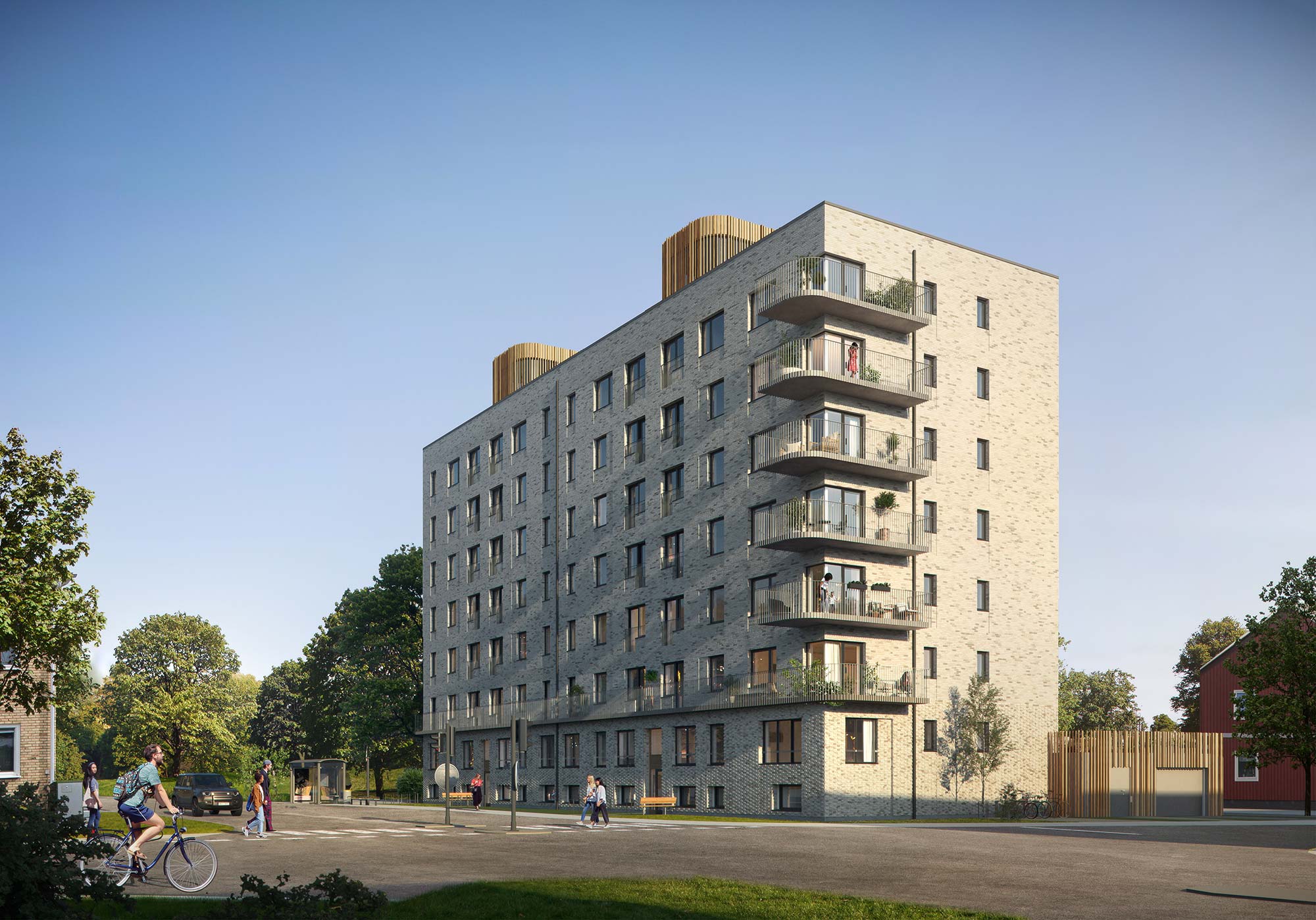
The centre is small enough to cross on foot in minutes — groceries, gyms, restaurants and the river are all within a short walk of each other. For a stay based in or near the centre, walking plus the occasional taxi covers most days.
A car earns its keep when the worksite is outside town or the shift pattern falls outside bus hours. Taxis and car hire are both available locally. If you drive between roughly November and April, expect winter tyres, snow-covered surfaces and darkness for much of the working day — plan longer transfers than a map suggests, and keep windscreen scraping time in the schedule.
- Walkable centre: shops, gyms, food and the river walk within a few blocks.
- Local buses cover the city and the surrounding area.
- Taxis and car hire are available; a car helps for out-of-town worksites.
- Winter driving: studded or winter tyres, snow clearing and darkness are normal, not exceptional.
The seasons
Real talk: the two halves of the year feel like different cities. Summer is bright and mild, with light late into the evening and long stretches of usable daylight — good for teams who want to be outdoors after a shift. Autumn is short and wet.
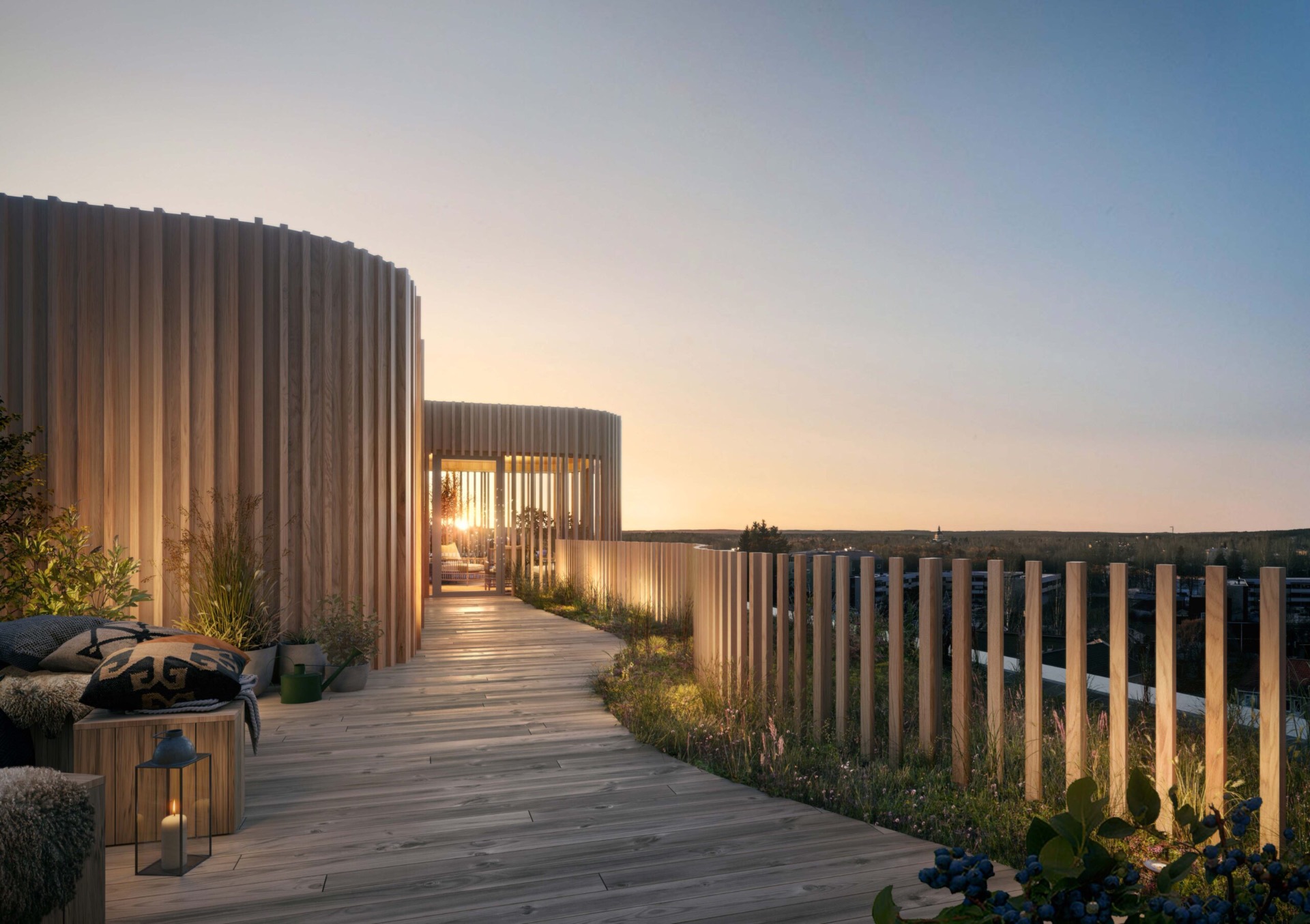
Winter is snowy, cold and dark, with daylight hours squeezed into the middle of the day. It is entirely workable — the city is built for it and life continues normally — but it rewards preparation. Spring arrives late and fast; snowmelt can leave gritty, wet streets well into April.
- Pack for winter: insulated boots with grip, a proper outer layer, hat and gloves, plus indoor shoes.
- Pack for summer: layers for cool evenings, insect repellent for time outdoors, and something for a bright bedroom.
- Year round: laundry in the apartment beats a suitcase full of clothes for a multi-week stay.
Daily life
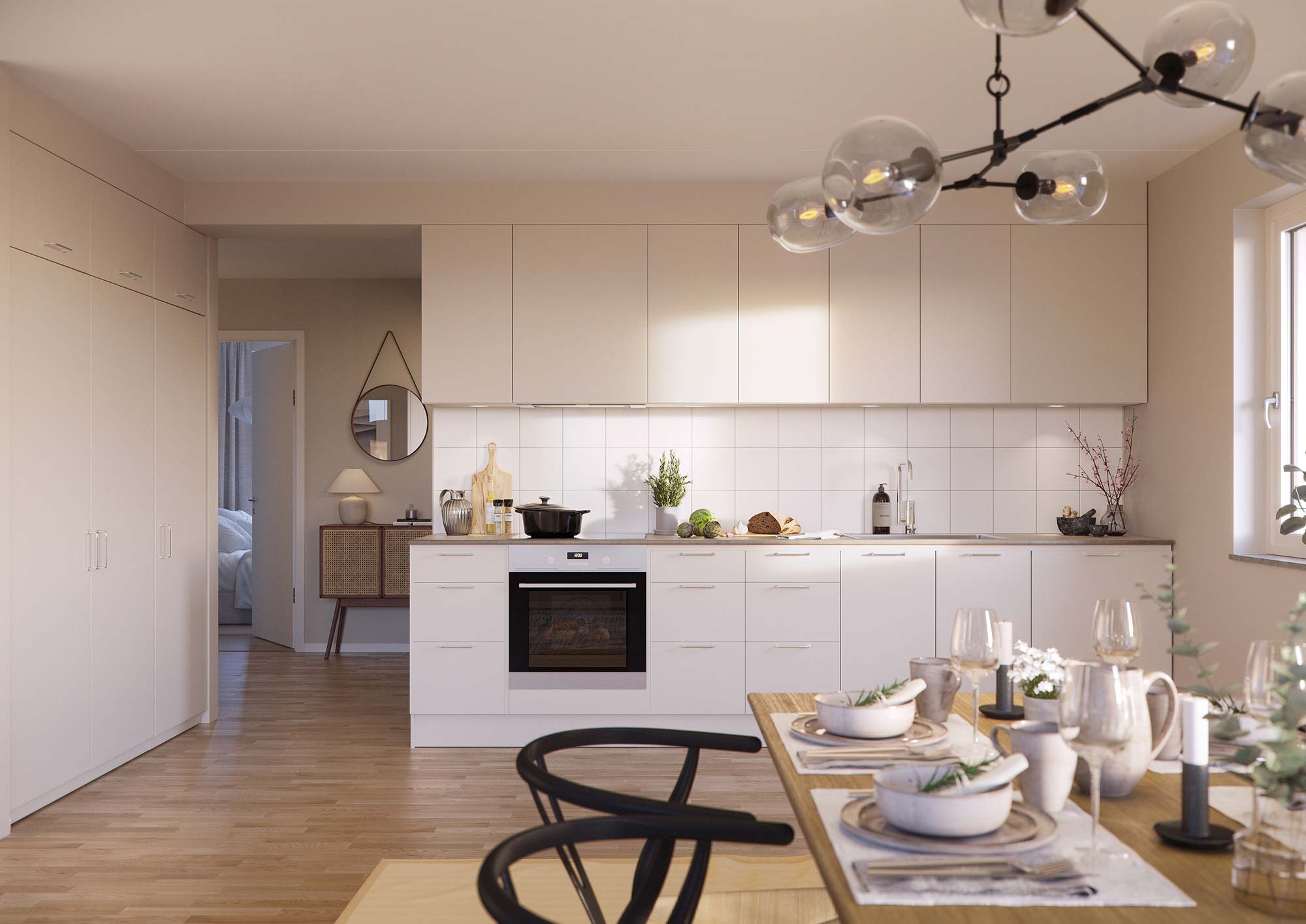
The centre carries ordinary weekday life: supermarkets and smaller grocers, pharmacies, gyms, cafés and a spread of restaurants from quick lunches to sit-down dinners. Nothing is far, which is why an apartment in or near the centre works so well for stays measured in weeks.
The river runs through the city and the walk along it is the local default for clearing your head after work. For anyone staying a month or more, a kitchen and in-apartment laundry change the experience more than any single restaurant recommendation — you cook when you want to, and you stop living out of a bag.
- Groceries: supermarkets and smaller shops within walking distance of the centre.
- Fitness: several gyms in and around the centre, plus outdoor trails.
- Food: cafés and restaurants across the centre, with a quieter Sunday rhythm.
- Outdoors: the river walk, and forest and coast within a short drive.
The worksites
The industrial area north of the city is the reason most teams come. It hosts the battery factory and the planned data center campus, along with the contractors, vendors and commissioning crews attached to them. From the centre it is a short drive rather than a commute worth relocating for.
That geography is the practical argument for housing in the centre: your team lives where the shops, gyms and restaurants are, and drives out to the site. Shift patterns and shared vehicles are easier to organise when everyone is based in the same building.
- Industrial area north of the city: battery production plus a planned data center campus.
- Short drive from the centre — most teams commute out, not in.
- Housing a whole team in one building simplifies transport and shift handovers.
Skellefteå FAQ for visiting teams
How do I get from Skellefteå Airport to the city?
The airport is close to the city, and the transfer takes minutes rather than an hour. Take a taxi or the airport bus into the centre; if your team arrives together, one pre-booked transfer is usually simpler than individual taxis.
Do I need a car in Skellefteå?
Not if you are staying in or near the centre and your work is in town — it is walkable, and local buses cover the rest. You will want a car or shared vehicle if your worksite is outside the city or your shifts fall outside bus hours. Taxis and car hire are both available locally.
What is winter really like in Skellefteå?
Snowy, cold and dark, with daylight concentrated around the middle of the day from roughly December to February. The city is built for it, so work and daily life continue as normal — you need proper boots with grip, a warm outer layer, and winter tyres if you drive.
Where do visiting teams usually live in Skellefteå?
In serviced apartments rather than hotel rooms, because stays are counted in weeks and months. A furnished apartment with a kitchen and in-apartment laundry near the centre costs less over a long stay than a hotel and lets the team live normally between shifts. Our 17 homes at Karlavagnen are set up exactly for that.